
Ann-Sophie Bosshard
Travel-Scapes: Mobility, Community, and the Ethics of Emplacement in Early Modern Drama
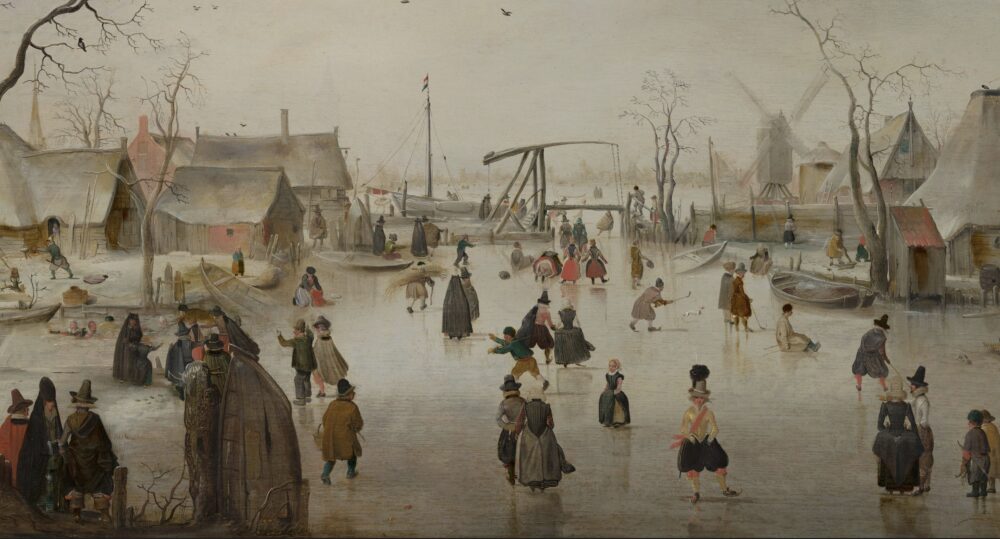
The project investigates how representations of mobility on the early modern stage forged affective and cognitive communities, and how such communities responded to mobile people, objects, and ideas in ethical terms. The project focuses on playtexts that stage phenomena like travel and migration, displacement and emplacement, infrastructures, and networks.
Read more …
Timothy Holden
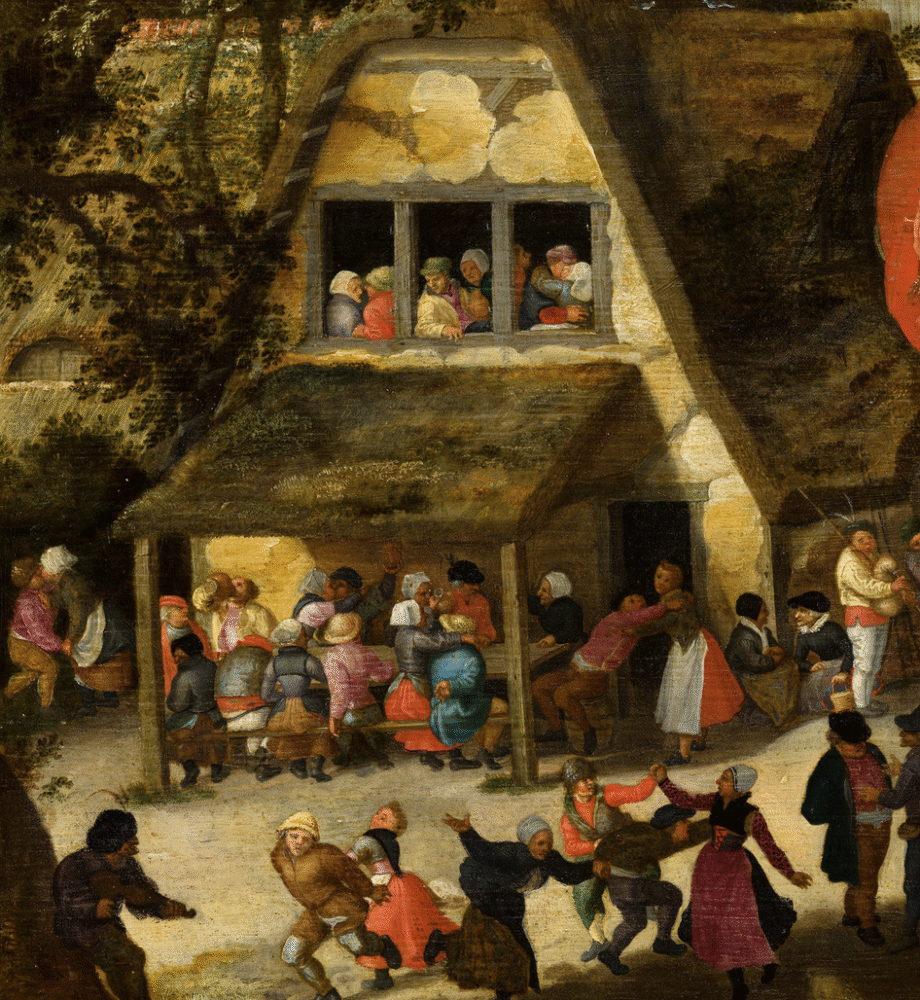
Sense-Scapes: Proprioception and Kinaesthesia in Shakespeare’s Early Modern Playhouses
The project investigates embodied sensation in Shakespeare’s plays and playhouses by drawing on the neurobiological concepts of “proprioception” – denoting the perception of the body in space – and “kinaesthesia” – denoting the perception of bodily movement. The project asks how plays, actors, and audiences “made sense” in and of performances in the material environment of early modern playhouses.
Read more …
Lukas Arnold
Environmental Justice and Affective Communities in Early Modern English Literature
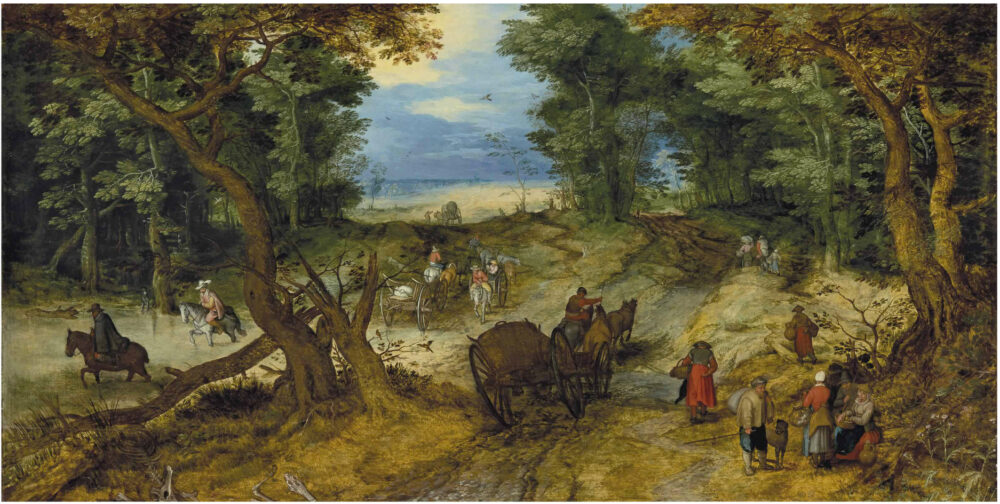
This project investigates the period’s collective notions of justice through the lens of four of its most pressing environmental problems: dearth, deforestation, enclosure, and natural catastrophes. In doing so, my study combines new developments in affect and ecological theory to explore the interactions between community, environment, and discourses of law and justice.
Read more …
Jifeng Huang
Cripistemology: Disabled Bodies and Alternative Knowledges in Early Modern Drama
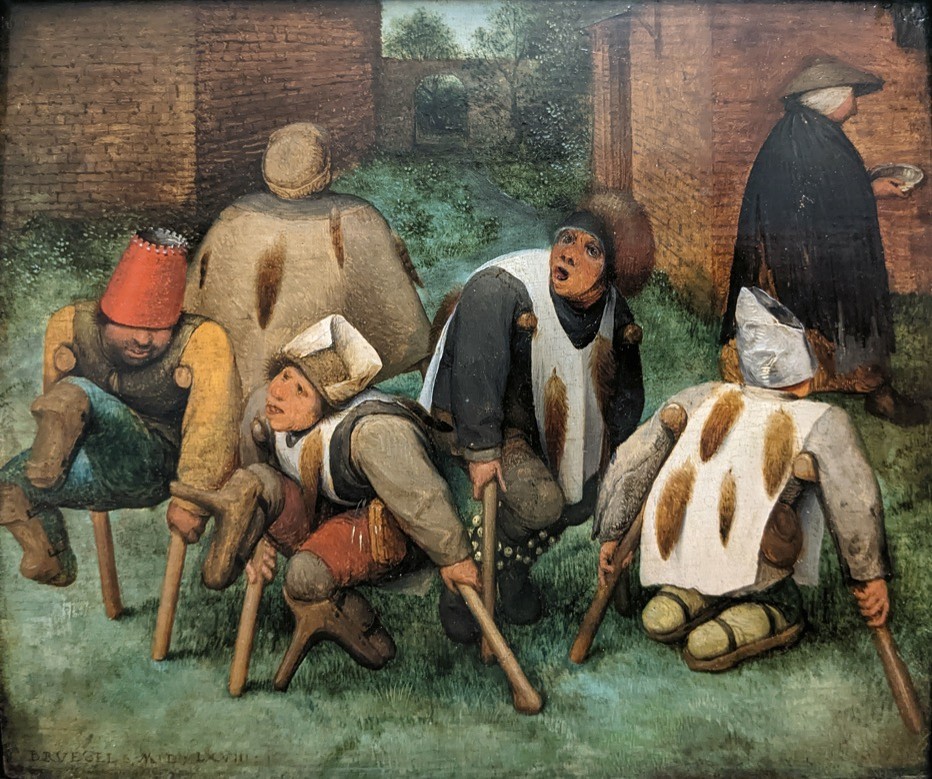
This dissertation is premised on a fundamental dialectic of the human body: while it is the corporeal site where ideas about being human converge and contend with each other, it is also the medium through which experiences are perceived and mediated. Focusing on the theatre as a key arena of epistemic investment, the project aims to recover how representations of disabled bodies and their crip perspectives participated in early modern epistemology.
Read more …
Olena Morenets
Smelling New Worlds
This project investigates the olfactory dimension of early modern English travel writing. Drawing on discovery naratives, travel writing scholarship, and the history of smell, the project treats a scent as holding three tenses at once – what earlier accounts promised, what travellers describe, and what it might fetch. Smell is layered in space and time: the thesis considers four recurring smellscapes – the wilderness, the sacred, the marketplace and the household.
Read more …